Case Study: Restoring the Colorado River

Chosen theme: Case Study: Restoring the Colorado River. From snow-fed headwaters to desert delta, this is the living story of a river under pressure—and the people, policies, and projects reshaping its future. Join us as we explore real impacts, hopeful wins, and practical paths forward.

A River at a Turning Point

01

A Century of Promises and Shortfalls

The 1922 Compact divided water during an unusually wet period, promising more than the river could reliably give. Decades of growth, diversions, and warming reduced flows, pushing reservoirs like Lake Mead and Lake Powell to historic lows by 2022, and demanding immediate, creative restoration efforts.
02

When a Delta Briefly Came Back to Life

In 2014, a carefully planned ‘pulse flow’ reached the desiccated Colorado River Delta in Mexico. Cottonwood and willow seeds sprouted, children played along wet channels, and birds returned. The moment proved environmental flows can spark revival when science, diplomacy, and community engagement align.
03

From Drought to Aridification

Scientists describe the Colorado’s challenge not just as drought, but aridification—a long-term drying trend compounded by rising temperatures. Restoration now means more than waiting for snow; it demands smarter use, flexible agreements, habitat projects, and shared sacrifice to stabilize ecosystems and communities.

Science Driving Restoration

Strategic releases from dams like Glen Canyon can mimic natural spring pulses, cueing fish to spawn and moving sediment to rebuild beaches. Scientists track temperature, turbidity, and flow timing to balance habitat benefits with water supply realities for cities and farms downstream.

Science Driving Restoration

Programs protect the humpback chub and other native species by managing predators, improving water temperatures, and reconnecting side channels. The Little Colorado River confluence has become a focal point, where collaborative monitoring evaluates whether flow tweaks and habitat work truly bolster resilient populations.

Science Driving Restoration

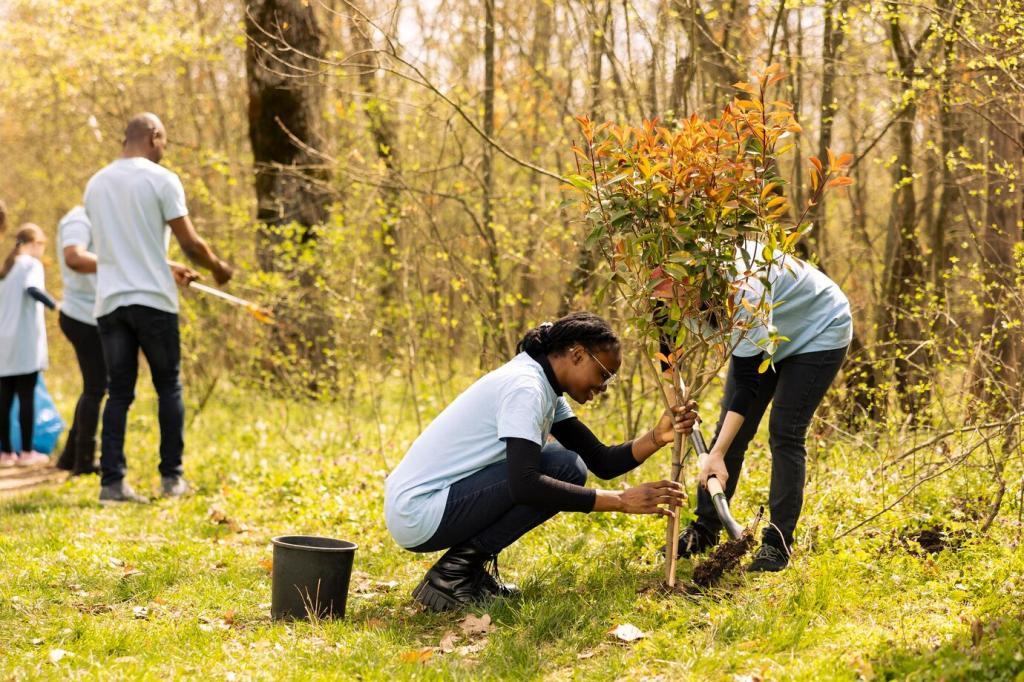
Removing invasive tamarisk alone is not enough; crews replant cottonwoods and willows, stabilize banks, and return controlled flows to sustain young trees. Restoration success is measured over years, blending hydrology, botany, and community stewardship to maintain shaded, biodiverse river corridors.
People of the Basin: Voices and Partnerships

Many Basin Tribes hold senior water rights and long-standing stewardship ties. Their leadership advances river health through habitat projects, cultural flows, and infrastructure investments. Listening to Tribal priorities improves equity, honors sovereignty, and makes restoration plans more durable and grounded in place.

People of the Basin: Voices and Partnerships

Agriculture uses most of the river’s water, making farmers key innovators. Laser-leveling fields, switching crops, and piloting deficit irrigation reduce demand while protecting livelihoods. Transparent compensation programs and peer-to-peer learning help scale practices that save water without sacrificing community identity.

Policy and Engineering Tools

Through the Glen Canyon Dam Adaptive Management Program, stakeholders test controlled floods and temperature strategies, learning what benefits beaches, rafters, and fish. Each experiment informs the next, proving restoration thrives when agencies authorize learning, not just rigid water delivery schedules.

Policy and Engineering Tools

U.S.–Mexico agreements created environmental water accounts, funded habitat in Mexico, and enabled the historic pulse flow. By sharing shortage and benefits, these ‘Minutes’ model how diplomacy can restore nature while protecting communities. Would you support similar binational habitat funding? Tell us why.
Delta Habitat Corridors
Local teams in the Colorado River Delta planted cottonwoods and willows in carefully chosen floodplain sites, then nurtured them with drip systems and timed flows. Bird counts rose, shade returned, and community festivals celebrated the river’s pulse. Restoration thrives when neighbors become co-stewards.
Side-Channel Reconnection
Reopening side channels restores nursery habitat for young fish and slows water to settle sediment. These projects combine excavation, bank shaping, and flow cues. Volunteers help with plantings and monitoring; sign up for our newsletter to get notified about seasonal workdays across the Basin.
Salinity Control with Big Payoffs
Pipeline lining, canal modernization, and on-farm practices reduce salt loading that once damaged crops and ecosystems. Each ton of salt kept out saves money and habitat downstream. Share your experiences with soil salinity solutions, and we’ll feature the most effective tactics in a future update.

Facing Climate Risk with Pragmatic Hope

Snowpack, Soil Thirst, and Timing

Warmer winters shift precipitation from snow to rain, while drier soils absorb more melt before it reaches reservoirs. Managers now forecast runoff with these realities in mind, tuning restoration flows and conservation measures to match earlier, sharper melt pulses and longer, hotter summers.

Balancing Efficiency and Ecosystems

Upgrading irrigation saves water, but can reduce incidental recharge or return flows that support habitats. Restoration planning maps these trade-offs, pairing efficiency with targeted environmental water to keep wetlands alive. How would you prioritize benefits when budgets are tight? Share your framework below.

Diversification, Not Silver Bullets

Desalination, recycling, and watershed forest health all contribute pieces of the solution, but none replace conservation. The strongest plans stack tools, monitor results, and adjust. Subscribe to get our upcoming checklist for communities designing climate-ready, habitat-smart water portfolios across the Basin.

How You Can Help Restore the Colorado River

Support Conservation Where You Live

Convert decorative turf to native landscaping, fix leaks, and reuse graywater where allowed. Encourage your workplace to audit water use. Share before-and-after photos of your yard or building—your example might spark the next neighborhood project that saves thousands of gallons each season.

Advocate for Smart, Fair Policies

Attend local water meetings, read Basin updates, and uplift Tribal and agricultural perspectives. Ask representatives to fund environmental flows, habitat restoration, and transparent conservation programs. Comment with a policy idea you’d champion; we’ll compile the best into a reader-driven action brief.

Stay Connected and Share Stories

Subscribe for monthly case-study updates, restoration field notes, and volunteer opportunities. Tell us how water shapes your community, and we may feature your story. The river’s recovery is a shared narrative—add your voice, and help keep this case study alive with practical hope.
Hanpsikoloji
Privacy Overview

This website uses cookies so that we can provide you with the best user experience possible. Cookie information is stored in your browser and performs functions such as recognising you when you return to our website and helping our team to understand which sections of the website you find most interesting and useful.