Success Stories in Lake Restoration

Today’s chosen theme: Success Stories in Lake Restoration. Dive into real turnarounds, practical lessons, and hopeful outcomes that prove damaged lakes can recover—and thrive. Join our community, share your own watershed wins, and subscribe for fresh stories that inspire action.

From Sewage to Clarity: The Lake Washington Turnaround

The decisive policy shift

When wastewater discharges were rerouted and treatment was upgraded, phosphorus inputs plummeted. Within a few seasons, murky waters brightened, algal blooms receded, and shorelines reopened to swimmers. That single, collective decision—redirect the pollution—became the cornerstone of a transformation that residents still celebrate today.

Monitoring that proved progress

Consistent Secchi depth readings and nutrient sampling created a clear, public record of recovery. Data charts appeared in local meetings and newspapers, building trust and momentum. Want to replicate this? Start with a simple, shared monitoring calendar, then invite neighbors to log readings and photos each week.

Community pride and persistence

The return of summer picnics, family swims, and evening paddles did more than raise spirits—it cemented support for ongoing maintenance. People protect what they love. Share a memory from your favorite lakeside day, and help others visualize why long-term care truly matters.

Rewilding the Shore: Wetlands as Lake Healers

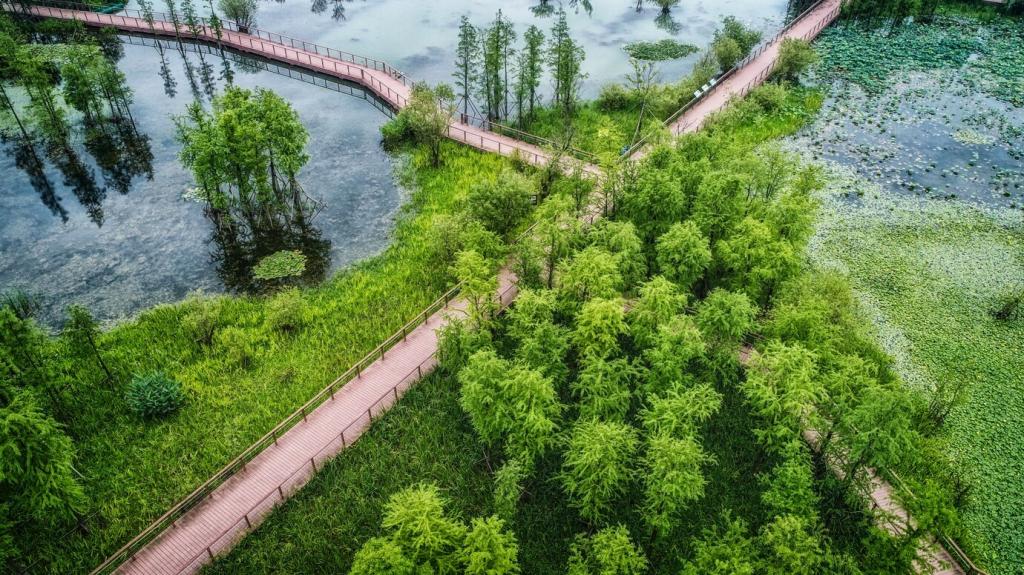
Engineers and volunteers placed native plants, coir logs, and gentle slope transitions, turning hard edges into soft filters. The result: clearer nearshore water, slowed wave energy, and habitat ribbons where insects, amphibians, and juvenile fish find shelter during their most vulnerable life stages.

Rewilding the Shore: Wetlands as Lake Healers

As submerged vegetation stabilized and water clarity improved, invertebrates flourished, drawing hungry young fish into protective shallows. Anglers noticed first, then everyone did. Have a favorite shoreline cove? Tell us where fry gather in spring, and we’ll map community observations to guide future habitat projects.

Rewilding the Shore: Wetlands as Lake Healers

Osprey platforms, preserved snags, and quiet buffer zones invited raptors and waders back. The first nest is always a thrill—and a vote of confidence for restoration. Share your bird sightings, and help us compile a living atlas that reflects recovery, season by season.

Beating Blooms Together: Lessons from Lake Constance

Cutting phosphorus at the source

Detergent reforms and advanced treatment lowered nutrient loads before they reached the lake. Bloom frequency dipped, and transparency improved. The key insight: prevention is cheaper than cleanup. Share which upstream actions are feasible near you—small reductions, multiplied across a basin, deliver outsized results.

Farm-level innovation

Buffer strips, cover crops, and well-timed manure applications helped keep soil and nutrients on fields, not in water. Extension agents co-designed practices with farmers, building trust. Know a farm success you admire? Nominate it, and we’ll interview the growers about practical, cost-effective tweaks that worked.

A basin-wide pact

Three countries, one lake—and a shared commitment to monitoring, upgrades, and transparent reporting. Regular meetings prevented drift and celebrated milestones. If your area struggles to align goals, try a simple pact with timelines, public dashboards, and a rotating facilitation role to sustain momentum.

Smart Sediment Solutions: The Lake Trummen Example

Decades of runoff can bind nutrients to sediments, creating a persistent internal reservoir. Warm, low-oxygen conditions release those nutrients, fueling blooms. Understanding stratification, oxygen dynamics, and sediment chemistry helps teams choose whether capping, dredging, or aeration best fits their lake’s personality.

Smart Sediment Solutions: The Lake Trummen Example

At Lake Trummen, strategic dredging targeted nutrient-rich layers, reducing internal loading and jump-starting recovery. Pairing work windows with wildlife calendars minimized disturbance. If dredging feels daunting, begin with a pilot area, clear success metrics, and a community tour to demystify the machinery and goals.

People Power: Citizen Science That Changes Lakes

Eyes on the water catch subtle shifts—an early bloom tint, a new patch of milfoil, a sudden drop in clarity. Paired with simple protocols, those observations become credible data. Share your favorite low-cost tools, and help beginners assemble a starter kit that fits in a backpack.

People Power: Citizen Science That Changes Lakes

Classroom sampling, photo logs, and interviews with longtime residents create a living history of a lake’s comeback. Students find pride in data that matters locally. Tell us which schools might join a regional network, and we’ll connect teachers to open curricula and micro-grants.

Staying the Course: Policy, Funding, and Adaptive Management

Clean water laws, nutrient limits, and shoreline ordinances hold the line after hard-won improvements. Enforcement paired with education keeps stakeholders on board. Tell us which policy your region needs most, and we’ll profile jurisdictions that passed similar rules without stalling local economies.

Staying the Course: Policy, Funding, and Adaptive Management

Milestone-based grants, utility fee credits, and philanthropic matches keep projects on track and transparent. Clear metrics attract donors and voters alike. Share how your team measures success, and we’ll suggest three funding models aligned with your lake’s scale, governance, and timeline.
Hanpsikoloji
Privacy Overview

This website uses cookies so that we can provide you with the best user experience possible. Cookie information is stored in your browser and performs functions such as recognising you when you return to our website and helping our team to understand which sections of the website you find most interesting and useful.