
Biodiversity Recovery in Restored Water Bodies

Chosen theme: Biodiversity Recovery in Restored Water Bodies. Welcome to a hopeful journey where silted ponds, canal backwaters, and drained wetlands breathe again. Dive into stories, science, and simple actions you can take today. Subscribe, comment with your local observations, and help us track the quiet return of life.

Habitat Complexity Sparks Cascades of Life

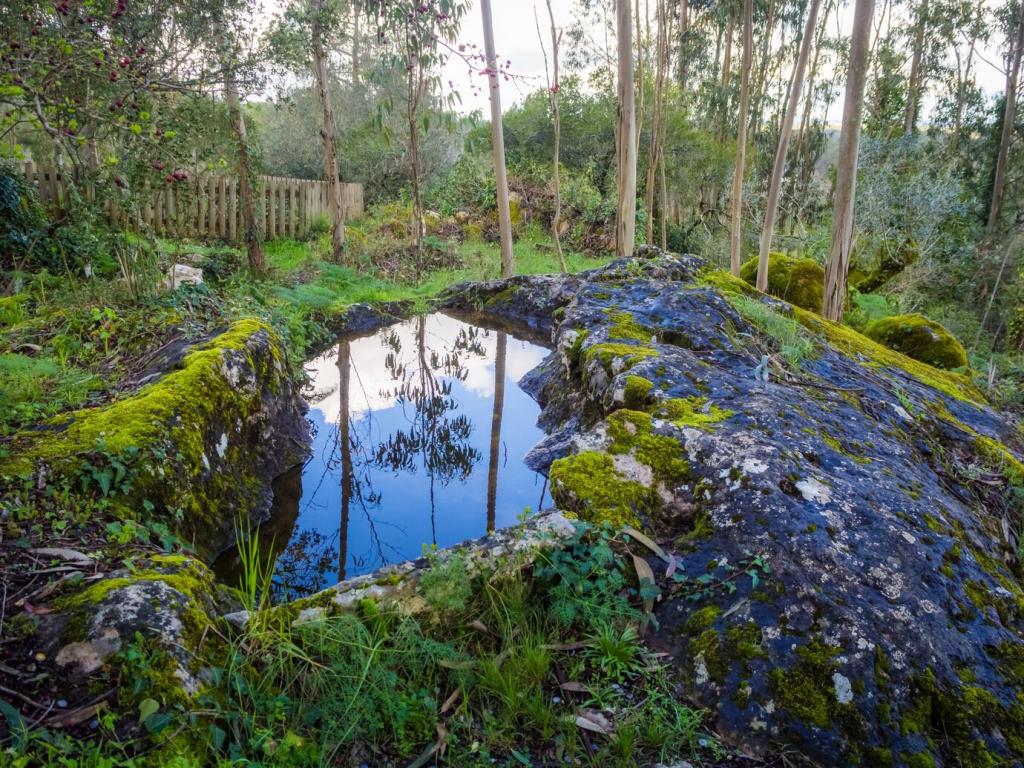
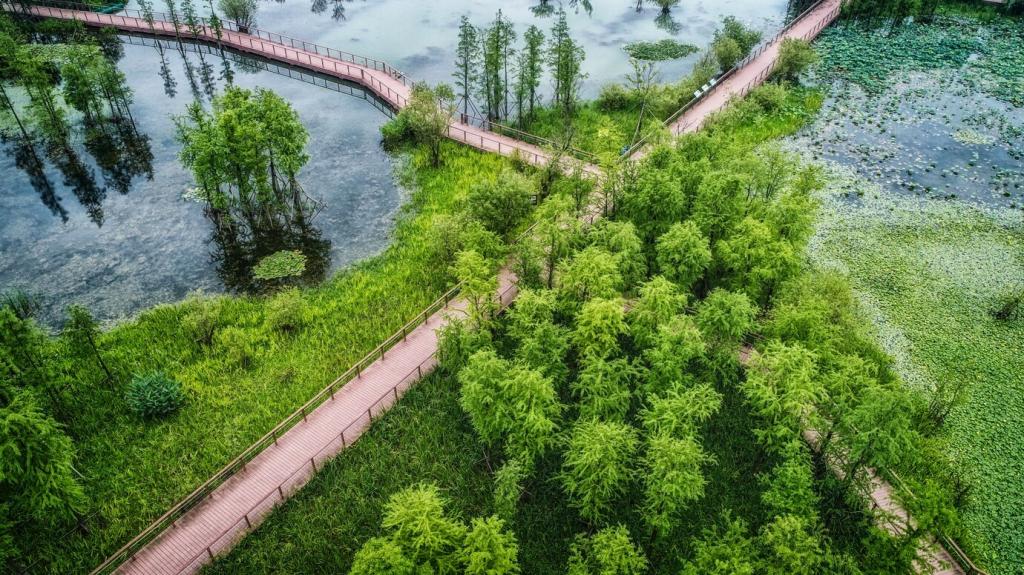
When restorations add submerged plants, coarse woody debris, and varied depths, niches multiply. Insects colonize stems, small fish hide from predators, and herons suddenly have reason to visit. Share photos of habitat features in your nearby pond, and tell us which species arrived first after improvements.

Source Populations and Corridors Matter

Species cannot recover without a path back. Nearby streams, remnant wetlands, and green corridors act like lifeboats and highways. Dragonflies ride wind, snails hitchhike on birds, and native fish swim through culverts. Map your local connections and comment with gaps you think need bridging.

Timeframes, Thresholds, and Patience

Macroinvertebrates may rebound within seasons, while rooted macrophytes and amphibians often take years. Crossing a water clarity threshold can flip systems from algae-dominated to plant-dominated. Keep monitoring, celebrate small wins, and subscribe for seasonal checklists that guide expectations without losing heart.
At sunrise, we counted twelve species skimming new cattail edges, including a shimmering blue darner that lingered over restored shallows. A jogger paused to ask its name; by evening, they had logged it on a citizen app. Tell us which emergent plants draw the most odonates in your area.

Designing Water-Body Restorations for Maximum Biodiversity

Creating shelves from ankle-deep to waist-deep water supports emergent reeds, submerged plants, and thermal refuges. These gradients host egg-laying insects and foraging fish. Sketch your shoreline ideas and ask us which profiles best fit your climate; we will feature selected designs in future posts.

Designing Water-Body Restorations for Maximum Biodiversity

Mix emergent rushes, floating-leaved lilies, and underwater macrophytes to stagger blooms and shelter. Native plants resist pests and stabilize sediments. Share your local species list, including bloom times, so our community can build region-specific planting guides that keep food webs fed year-round.

Metrics That Matter: Tracking Recovery

Composite scores combining fish, invertebrates, and plants help track ecological balance. They translate complex patterns into understandable trends for councils and volunteers. Download our sample scorecards and tell us which metrics feel intuitive, so we can refine tools that communities will actually use.

Metrics That Matter: Tracking Recovery

Collecting a bottle of water can reveal elusive species through tiny DNA traces. eDNA complements nets and cameras, especially for shy amphibians and rare fish. Interested in piloting a low-cost kit with your school or club? Subscribe and answer our call for test sites next month.

Water Quality as the Foundation

Excess nitrogen and phosphorus fuel blooms that block sunlight. Wetland forebays, vegetated buffers, and smart fertilizer use flip the switch toward aquatic plants. Tell us which runoff fixes worked locally, from rain gardens to gutter barrels, so others can adapt your practical solutions.

Water Quality as the Foundation

Fish kills often follow stratified, low-oxygen layers in summer. Shade from riparian trees, deeper refuge pools, and well-placed aerators prevent crises. If your site installed aeration, share power costs, seasonal schedules, and wildlife responses to help peers plan efficient, wildlife-friendly setups.
Climate Resilience in Restored Waters

Thermal Refuges and Flow Management

Deep pools, shaded banks, and cool groundwater inlets give fish and amphibians a lifeline during heatwaves. Simple flow controls can maintain base levels. Share your hottest-week observations and any shade plantings that helped; we will map community-inspired cooling strategies for diverse regions.

Get Involved: Your Role in Recovery

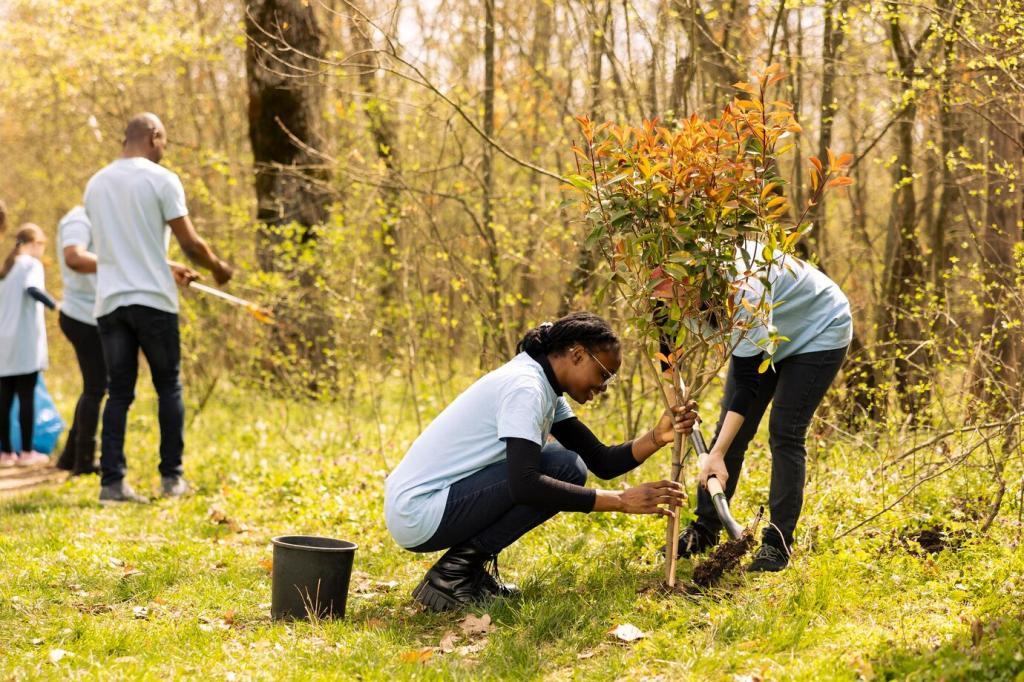
Grab a camera or phone and document species along restored edges. Consistent photos reveal subtle shifts in growth, bloom, and behavior. Comment with your preferred recording app, and we will publish a shared calendar inviting readers to coordinated weekend BioBlitz events.
Hanpsikoloji
Privacy Overview

This website uses cookies so that we can provide you with the best user experience possible. Cookie information is stored in your browser and performs functions such as recognising you when you return to our website and helping our team to understand which sections of the website you find most interesting and useful.